
Exploring the psychology behind casino games
The Allure of Chance and Risk
The psychology behind casino games is deeply rooted in our fascination with chance and risk. The excitement of rolling dice or spinning slots taps into a primal instinct for uncertainty, where the outcome is unknown. This unpredictability creates an adrenaline rush, stimulating the release of dopamine in our brains, a chemical associated with pleasure and reward. For those seeking instant gratification, a new uk casino fast withdrawal option can further enhance the thrill of the experience, making the prospect of winning even more enticing. Players often find themselves drawn back, compelled by the tantalizing possibility of a big win.
Moreover, the design of casino environments is meticulously crafted to enhance this thrill. Bright lights, enticing sounds, and the presence of fellow players can create an atmosphere that fosters a sense of community and competition. This social aspect is significant; people are drawn to others engaged in similar pursuits, heightening their emotional investment in the game. The combination of social interaction and the appeal of risk can make the experience irresistible, often leading individuals to return for more, despite the uncertain outcomes. This environment is designed to keep players engaged for longer periods, often leading them to bet more than they initially intended.
The phenomenon of “near misses” plays a crucial role in reinforcing this behavior. Players often perceive that they were close to winning, which can lead to continued participation in hopes of a future win. This cognitive bias can create a false sense of control, where individuals believe they are on the verge of success. For instance, if a player spins a slot machine and sees two matching symbols followed by a different one, they may feel they were just one symbol away from a jackpot. Such psychological tricks can be potent motivators, encouraging players to engage with casino games repeatedly, further entrenching them in the cycle of risk and excitement.
The Role of Reward Systems
Reward systems are integral to the psychology of casino games. The concept of variable reinforcement schedules explains why frequent players return to casinos. Unlike fixed schedules where rewards are predictable, variable schedules provide rewards at irregular intervals. This unpredictability in outcomes keeps players on edge and engaged, as they are unsure when the next win might come. This principle is widely utilized in gambling to create a compelling and addictive environment. The anticipation of a potential win can create an exhilarating experience, prompting players to continue playing even in the face of losses.
Furthermore, the psychological concept of “loss aversion” contributes to player behavior. Players often feel more distress from losing a bet than joy from winning an equivalent amount. As a result, this can lead to a cycle of chasing losses, where players continue to gamble in an attempt to recover their funds. This behavior exemplifies how cognitive biases can skew decision-making, leading individuals deeper into gambling activities. The anticipation of winning can obscure the reality of increasing losses, compelling players to persist despite financial consequences, making it challenging for them to walk away.
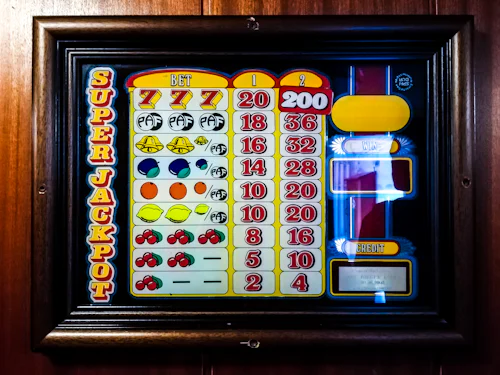
The physical design of casino games also reinforces reward systems. For example, slot machines often use colorful graphics and sound effects that celebrate even minor wins, creating a sense of achievement. These sensory stimuli serve to heighten emotions and increase the likelihood of repeat play. By continually celebrating small victories, players are encouraged to remain engaged, often losing track of time and money spent. This reinforcement cycle effectively keeps players returning for another chance at that elusive big win, further entrenching them in the gambling experience and its psychological allure.
Emotional and Psychological Manipulation
The emotional experience of playing casino games is not only thrilling but also a complex interplay of psychological factors. Casinos are designed to manipulate emotions strategically; for instance, they often create an environment that feels detached from reality. The lack of clocks and windows, combined with comfortable seating and complimentary drinks, promotes extended play. This creates a sense of timelessness, making it easy for players to lose track of how much time they have spent gambling. Such an environment encourages players to stay longer and gamble more, often leading them to spend beyond their original budget.
Additionally, the use of marketing and branding plays a significant role in establishing emotional connections with players. Casinos often cultivate a glamorous image, luring players with promises of excitement and instant wealth. Advertisements depict glamorous lifestyles filled with luxury, reinforcing the notion that playing games may lead to significant financial gain. This aspirational branding can lead individuals to engage in gameplay with the hope of achieving a similar lifestyle, further influencing their decision-making processes. This creates a powerful narrative around gambling that can be difficult to resist, especially for those looking for a quick escape from reality.
Furthermore, developing a psychological attachment to specific games can occur over time. Players often create narratives around their favorite games, attributing personal identities to them. For instance, a player might associate a particular slot machine with a memorable night out or a big win. This emotional investment can enhance their gambling experience, as players begin to feel a sense of loyalty towards particular games or casinos. Such attachments can make it more challenging to walk away, even when faced with negative outcomes, perpetuating the cycle of gambling and reinforcing emotional ties that keep players returning.
The Impact of Social Influences
Social influences are a significant aspect of gambling psychology, shaping players’ decisions and behaviors. The presence of peers can amplify the excitement of casino games, with individuals often motivated by social norms and the desire to fit in. Gamblers may be influenced by their friends or family, leading to group gambling outings, where the collective energy enhances the thrill of play. This social dynamic can promote a sense of belonging, encouraging individuals to participate more to maintain social connections. Casinos often capitalize on this by creating group promotions or events that encourage communal play, further enhancing the social aspect of gambling.

Moreover, shared experiences in gambling can create lasting memories, reinforcing the desire to return to casinos. People often reminisce about past wins or entertaining moments shared during gameplay. Such memories become cherished narratives, driving individuals back to the casino in search of not just financial gains, but also the recreation of those joyful experiences. This interplay between social interactions and the joy of play can lead to a strong emotional bond with both the games and the casino atmosphere. Players might seek out specific venues where they had previous positive experiences, solidifying their loyalty to those establishments.
However, this social dimension can also complicate the impact of gambling. The pressure to conform to group behaviors may encourage players to take risks they might otherwise avoid. Peer pressure can lead to excessive gambling, as individuals may gamble more to appear adventurous or supportive of friends. Recognizing these patterns is essential for fostering responsible gambling behaviors, as social dynamics can significantly sway individual decisions in casino environments. Understanding the influence of peers can help individuals make more informed choices about their gambling habits and maintain a healthier relationship with gaming.
Understanding Responsible Gaming and Awareness
Addressing the psychological aspects of casino games also involves understanding the importance of responsible gaming and awareness. As the allure of gambling can lead to compulsive behaviors, there is a growing emphasis on educating players about the risks involved. Developing a solid foundation of knowledge surrounding the mechanics of games and the psychological tactics employed can empower players to make informed choices. Awareness campaigns aim to illuminate the dangers of excessive gambling and foster a culture of responsibility, ensuring that players can enjoy the entertainment aspect without falling victim to its psychological traps.
Many casinos now implement responsible gaming initiatives, providing resources and support for individuals who may exhibit problematic behaviors. These initiatives often include self-exclusion programs, counseling services, and educational materials aimed at promoting healthy gaming habits. By fostering a more responsible approach to gambling, casinos can help mitigate the negative impacts of compulsive play, allowing individuals to enjoy the entertainment aspect without falling into unhealthy patterns. Such programs encourage players to recognize when they need to take a break or seek help.
Furthermore, understanding the psychological triggers that lead to excessive gambling is key to developing strategies for moderation. Players are encouraged to set limits on time and spending, ensuring that gambling remains a fun and entertaining activity rather than a harmful habit. Promoting mindfulness and self-awareness can help players recognize when to step back and reassess their involvement, ultimately fostering a healthier relationship with gambling activities. By being proactive about their gaming habits, players can safeguard their well-being while still enjoying the thrill that casino games can offer.
